What to Eat in Changsha: Local Hunan Dishes, Street Food and the Best Neighbourhoods

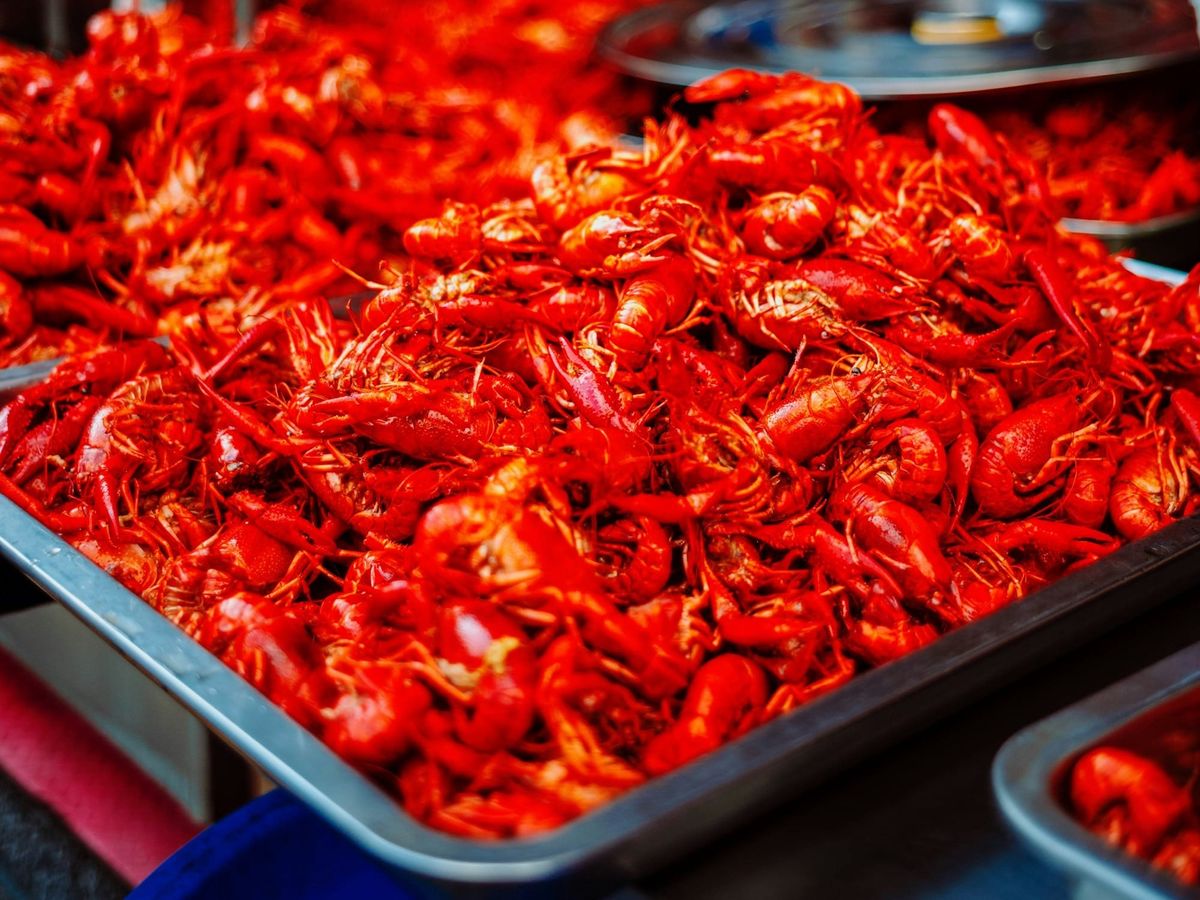
If there is one thing I would tell anyone visiting Changsha, it is this: arrive hungry. Hunan's capital has a food culture with plenty of personality, and eating is one of the best ways to understand the city.
Hunan cuisine, often called Xiang cuisine, is known for its bold seasoning, fresh chillies, sour flavours and generous use of fermented and pickled ingredients. It can be spicy, but it is not simply about making every dish as hot as possible. There is a lot of variety, from comforting bowls of rice noodles to slow-cooked dishes and sweet street snacks.
I would explore Changsha through its neighbourhoods rather than spend the whole trip chasing famous restaurants. Start with breakfast noodles, wander through the old streets, try a few snacks around Nanmenkou and finish with a proper Hunan dinner.
This guide covers the dishes I would look for, the neighbourhoods worth exploring and a relaxed food route for a first visit.
What is Changsha food like?
Changsha is part of Hunan, a province with a distinctive culinary tradition. Fresh chillies, pickled vegetables, fermented ingredients, garlic and aromatic seasonings are common.
Compared with some other regional Chinese cuisines, Hunan food is often associated with a direct, lively chilli heat. Many dishes also have a sour or savoury depth, and smoked or cured ingredients are used in traditional cooking.
You will find everything from casual noodle shops to restaurants serving elaborate shared meals. If you are travelling with friends, ordering several dishes for the table is a good way to sample more of the local menu.
One practical point: spice levels can be difficult to judge from a menu. If you are not used to chilli, explain your preference clearly before ordering.
The Changsha dishes I would try
1. Changsha stinky tofu
Stinky tofu is probably the city's most recognisable street snack. The tofu is fermented before being fried, creating a strong smell and a crisp outside with a softer centre.
It is usually served with a sauce containing ingredients such as garlic, chilli and pickled vegetables. The smell can be surprising if you have never tried it, but the flavour is much more balanced than the aroma might suggest.
I would buy a small portion first and see how you like it. It is best eaten hot, while the outside is still crisp.
2. Sugar-oil rice cakes
Tangyou baba, often translated as sugar-oil rice cakes, are chewy rice-based snacks coated in a sweet syrup.
They are usually fried until the outside develops a glossy, slightly crisp surface while the inside remains soft and sticky. They are simple, sweet and very satisfying.
I would eat them soon after buying them. The texture is part of the appeal, and they are not quite the same once they have cooled down.
3. Changsha rice noodles
A bowl of rice noodles is one of the easiest ways to start a day in Changsha. Local noodle shops serve them with a range of toppings, including beef, pork, pickled vegetables and other savoury additions.
The broth and seasoning vary from shop to shop. Some versions are relatively light, while others are richer and more heavily seasoned.
I would visit a busy neighbourhood noodle shop in the morning. You can usually see how locals order and customise their bowls, which makes the experience less intimidating.
4. Chilli-fried pork
Xiaochao rou, or chilli-fried pork, is a classic Hunan home-style dish. It is usually made with sliced pork, fresh green chillies and a savoury sauce.
It is a good introduction to everyday Hunan cooking because it combines simple ingredients with strong flavours. Order it with rice and a vegetable dish if you want a balanced meal.
The chilli can be quite assertive, so ask for a milder version if needed.
5. Steamed fish head with chopped chilli
Duo jiao yu tou is one of Hunan's best-known dishes. A fish head is steamed with chopped pickled chillies and other seasonings, producing a dish with a distinctive sour, savoury and spicy flavour.
It is often served as a shared dish rather than an individual meal. If you are travelling with friends and enjoy fish, I would consider ordering it at a restaurant specialising in Hunan cuisine.
It is not the best first choice for someone who dislikes spicy food, but it is worth knowing about when exploring the region's cooking.
6. Spicy crayfish
Kouwei xia, or spicy crayfish, is a popular dish in Changsha, especially during the warmer months. The crayfish are cooked in a strongly flavoured sauce, often with chilli, garlic and spices.
It is a sociable meal: people sit around the table, peel the crayfish and share the food. It can be messy, so do not wear your best clothes if you are planning a big crayfish dinner.
Restaurants may offer different seasoning styles. Ask about the heat level before ordering, and check whether the price is listed by weight or serving.
7. Pickled and fermented side dishes
Hunan food often includes pickled vegetables and other fermented ingredients. These can add acidity and depth to a meal, balancing the richness of meat and the heat of chilli.
If you enjoy trying unfamiliar flavours, order a small side dish and see what you think. They are often served alongside noodles or rice.
8. Sweet fermented rice drinks and desserts
Changsha also has sweet snacks and drinks that offer a contrast to its savoury food. Sweet fermented rice drinks are available at some traditional snack shops, while dessert stalls offer a variety of soft, chilled or sticky treats.
If you see a local dessert that you do not recognise, ask what it contains before ordering. Some products use fermented rice, dairy or other ingredients that may not be obvious from their appearance.
Where I would go for food in Changsha
1. Nanmenkou: a good place for street snacks
Nanmenkou is one of the areas I would prioritise if I wanted to try several Changsha snacks in one outing.
The surrounding streets have casual eateries and snack shops, making it easy to order small portions from different places. Stinky tofu and sugar-oil rice cakes are two obvious things to look for.
I would come in the late afternoon or early evening, when the area has plenty of activity. It is a good place to wander rather than follow a rigid restaurant list.
2. Taiping Street: historic atmosphere and visitor-friendly food
Taiping Street is one of Changsha's best-known historic commercial streets. It has snack shops, restaurants, souvenirs and traditional-style façades.
It is convenient if you are already exploring the old city, but it is also a busy tourist area. I would browse the main street and then look into the smaller side lanes before choosing where to eat.
Do not assume that every famous-looking snack shop is the best-value option. Compare portion sizes and prices, and look for places where the food is being prepared fresh.
3. Pozi Street: a classic food stop
Pozi Street is another well-known food area, associated with Huogongdian and Changsha's traditional snack culture.
It is a convenient place to sample several local snacks in one visit. If you are interested in the city's food history, it is worth stopping by, although I would also explore other neighbourhood eateries to get a wider sense of everyday dining.
4. Huangxing Road and Wuyi Square: modern food and shopping
The Wuyi Square and Huangxing Road area is ideal if you want to combine food with shopping and evening entertainment.
There are plenty of restaurants, dessert shops, drinks outlets and casual dining options. It is particularly convenient if you are staying nearby.
The area can be crowded at peak times, so I would eat a little earlier or later than the main dinner rush if you want to avoid queues.
5. Chaozong Street: cafés and a slower afternoon
Chaozong Street is a good choice when you want a break from busy snack streets. It has a mixture of older buildings, cafés and independent businesses.
I would come here for coffee, a light meal or an afternoon rest. It is not necessarily the place to find every traditional Changsha dish, but it offers a different side of the city's food scene.
6. Lushan South Road: student-friendly casual food
Near Hunan University, Lushan South Road has a lively student atmosphere and plenty of casual food options.
I would consider eating here after visiting Yuelu Mountain and Yuelu Academy. It is a convenient place to find a simple meal without returning to the busiest central shopping district.
A relaxed one-day Changsha food walk
If I had one day to explore Changsha through food and neighbourhoods, I would follow this route.
9:00 – Start with a bowl of rice noodles
Find a busy local noodle shop near your accommodation. Order a bowl with your preferred topping and ask for the chilli on the side if you are unsure about the spice level.
Breakfast is a good time to try rice noodles because they are part of everyday local life rather than a dish reserved for tourists.
10:00 – Wander through Chaozong Street
After breakfast, walk around Chaozong Street. Browse the lanes, look at the older buildings and stop for coffee if something catches your attention.
I would not rush this part of the route. It is more about enjoying the neighbourhood than ticking off a particular attraction.
11:30 – Explore Taiping Street
Continue towards Taiping Street. Take a look at the shops and traditional-style buildings, and consider stopping for a small snack if you see something interesting.
If you want to visit Jia Yi's Former Residence, check its current opening arrangements before planning your timing around it.
12:30 – Have a Hunan-style lunch
Find a restaurant in or around the old town. I would order chilli-fried pork with rice, perhaps alongside a vegetable dish or a milder soup.
If you are eating with a group, share several dishes so you can try more than one flavour.
14:00 – Coffee or dessert around the centre
After lunch, take a break around Wuyi Square or Huangxing Road. This is a good time for a drink, dessert or a little shopping.
If the weather is hot or rainy, spending an hour indoors is a sensible way to break up the day.
16:30 – Head towards Nanmenkou
Make your way to Nanmenkou for street snacks. Try a small portion of stinky tofu and sugar-oil rice cakes, and see what else is being sold.
I would not buy too much at once. There is plenty to sample, and you may want to return to a stall later.
18:30 – Finish with dinner
For dinner, choose a Hunan restaurant or a casual crayfish restaurant if it is in season. If you are not especially hungry, a few more snacks and a relaxed walk may be enough.
The best food day is not necessarily the one with the most dishes. It is the one where you have enough time to enjoy what you order.
Restaurant recommendations: how I would choose
Changsha has plenty of famous restaurants, but individual branches, menus, prices and opening hours can change. Rather than treating a social-media list as a guaranteed recommendation, I would use these principles:
- Look for a busy local restaurant with a menu that clearly shows prices.
- Check recent reviews for the exact branch, not just the restaurant brand.
- Confirm whether a quoted price is per person, per portion or by weight.
- Ask about chilli levels before ordering.
- Choose dishes that are being cooked fresh, particularly seafood and crayfish.
- Keep a little flexibility in your plans in case a popular restaurant has a long queue.
Names such as Bian Luobo Liuyang Cuisine Restaurant and Tianbao Brothers appear frequently in Changsha food recommendations. They may be worth researching if you want to try a well-known restaurant, but I would check the current branch, location, menu and recent visitor feedback before making a special journey.
How to order if you cannot eat much chilli
Hunan food can be spicy, but you can still enjoy the local cuisine if you explain your preferences.
Useful phrases include:
- 微辣 (wēi là): slightly spicy.
- 少辣 (shǎo là): less chilli.
- 不辣 (bù là): not spicy.
- 不要辣椒 (bú yào làjiāo): no chilli peppers, please.
- 辣椒放旁边 (làjiāo fàng pángbiān): please put the chilli on the side.
If you have a serious allergy or dietary restriction, explain it clearly and do not rely on a general request for mild food. Chilli oil, sauces and shared cooking equipment may still contain ingredients you need to avoid.
Practical tips for eating in Changsha
Carry tissues. Some casual restaurants and street-food stalls may not provide them automatically.
Bring a little cash as a backup. Mobile payment is widely used, but it is sensible to have another payment option available.
Do not judge a dish only by its appearance. Some of Changsha's best-known snacks have strong smells or unusual textures. If you are curious, try a small portion first.
Check the queue before joining it. A long line can indicate popularity, but it does not necessarily mean a dish will suit your taste.
Share dishes where possible. This is one of the easiest ways to sample more of Hunan's cooking without ordering too much.
Keep an eye on opening times. Some noodle shops are busiest in the morning, while snack stalls and restaurants may be more active in the evening.
Final thoughts: eat your way around Changsha
I would not visit Changsha without making food a central part of the trip. A bowl of noodles in the morning, a wander through Taiping Street, snacks around Nanmenkou and a shared Hunan dinner give you a much better sense of the city than a day spent moving between landmarks alone.
The food can be spicy, but there is enough variety to suit different tastes. Start with the dishes that interest you, ask about the chilli level and do not be afraid to explore beyond the most famous tourist streets.
In Changsha, some of the best travel memories may come from a small restaurant you found by chance, rather than a place you had planned to visit.