Wuxi Travel Guide: Best Things to Do, Classical Gardens and Taihu Lake

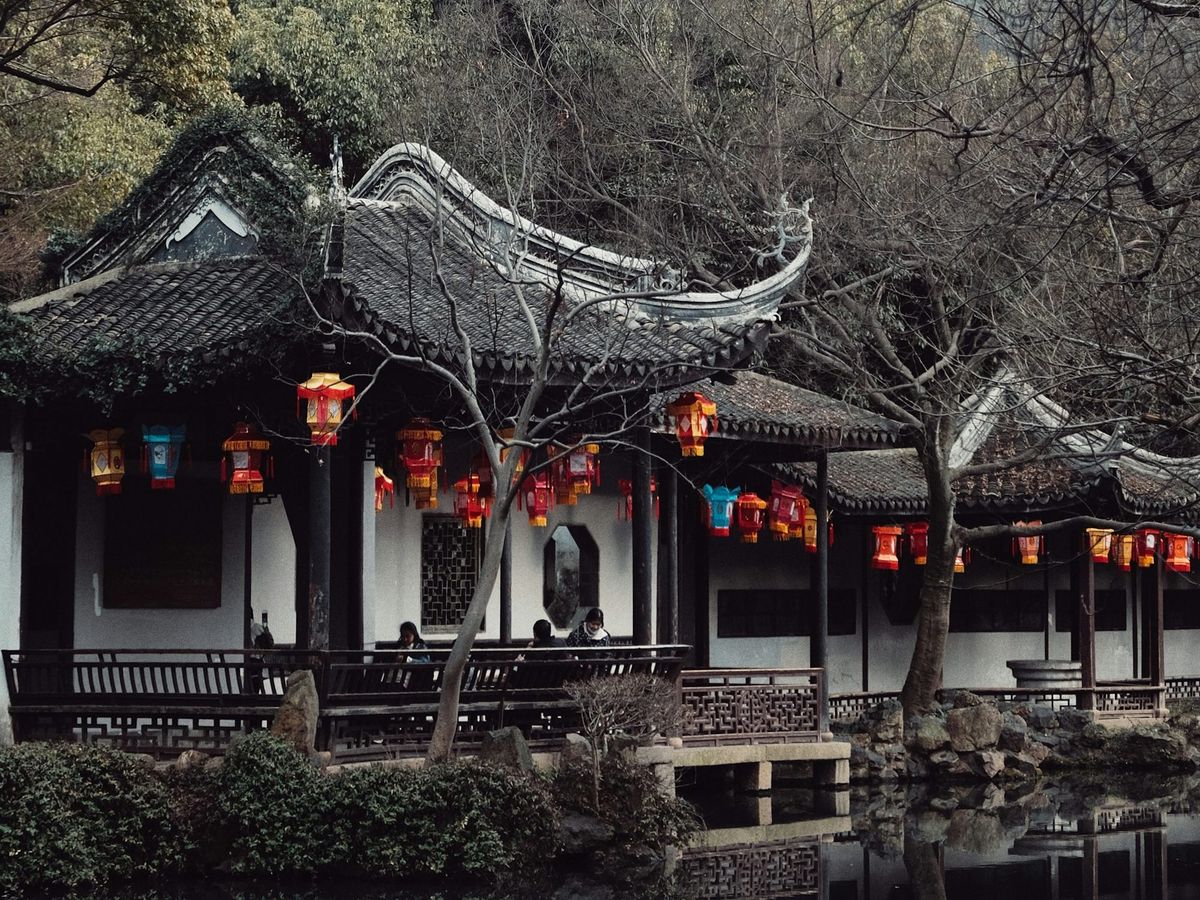
Wuxi is a rewarding stop in Jiangsu Province for travellers who want to experience the quieter side of the Yangtze River Delta. Sitting beside Taihu Lake and crossed by the Grand Canal, the city combines classical Chinese gardens, historic temples, traditional neighbourhoods and broad waterfront scenery.
It is sometimes overshadowed by nearby Shanghai, Suzhou and Nanjing, but Wuxi has a character of its own. You can spend a morning exploring ancestral halls and Ming- and Qing-era architecture, take a break in a traditional garden, then spend the evening walking beside the Grand Canal as lanterns and shopfronts light up the water.
The city is also a convenient base for exploring the wider Taihu region. Yuantouzhu, or Turtle Head Isle, is one of the best-known places to appreciate the lake, while Liyuan offers a more intimate garden experience beside Lihu Lake.
For a first visit, two days is a good introduction. Stay for three days if you want to include a film-and-television theme park or explore the wider countryside.
1. Explore Huishan Ancient Town
Huishan Ancient Town is one of the best places to begin discovering Wuxi's history. Its lanes are lined with traditional buildings, old shops, stone paths and ancestral halls. The area is particularly known for its concentration of family ancestral halls, which were built by different clans to honour their ancestors and preserve family histories.
For international visitors, these halls offer an interesting introduction to the importance of family lineage and ancestor veneration in traditional Chinese society. Look out for the carved woodwork, stone details and decorative gateways as you walk through the district.
The wider scenic area also includes Xihui Park and Jichang Garden. You can spend time simply wandering through the public streets, but some heritage buildings and attractions require a ticket. Check which ticket covers the places you want to visit before entering.
Allow at least two hours, longer if you enjoy architecture and gardens.
2. Visit Jichang Garden
Jichang Garden is a classical Chinese garden within the Xihui Scenic Area. It is known for its carefully arranged rockeries, ponds, pavilions, covered walkways and views towards the surrounding hills.
Unlike a large European formal garden, a traditional Chinese garden is designed to create a series of changing scenes. A doorway may frame a view of a pond; a winding path may reveal a pavilion; a rock formation may suggest a distant mountain landscape.
Jichang Garden was built during the Ming dynasty and later became a favourite stop for Qing emperors Kangxi and Qianlong during their journeys south. Its influence even extended to the imperial gardens in Beijing, where a replica was created.
The garden is best enjoyed slowly. Rather than rushing from one photograph to another, pause at the different viewpoints and notice how the paths, water and buildings work together.
3. Discover Nanchan Temple and its historic surroundings
Nanchan Temple is one of Wuxi's best-known Buddhist sites. The temple complex is associated with the city's long religious history, while the nearby Miaoguang Pagoda is a prominent landmark in the surrounding neighbourhood.
The temple area is also a lively commercial district, with shops, snack stalls and pedestrian streets. This makes it a convenient place to combine a cultural visit with a casual meal.
Visitors should remember that a Buddhist temple is an active religious space. Dress respectfully, keep noise down and follow any restrictions on photography or access to particular halls.
You do not need to spend a long time here, but it is worth including as part of a wider walk through central Wuxi.
4. Walk along Nanchang Street and the Grand Canal
Nanchang Street and the Qingming Bridge Historic and Cultural Block are among Wuxi's most atmospheric places to visit.
The area follows a section of the ancient Grand Canal, a vast historic waterway that linked northern and southern China and played a major role in moving grain, goods and people. The canal is not simply a scenic backdrop: it is part of the story of how Wuxi developed as a commercial and trading city.
Along the waterfront, you will find traditional-style buildings, small shops, cafés, restaurants and bridges. Qingming Bridge is one of the area's best-known landmarks, and the streets are especially attractive after dark when the buildings are illuminated.
A canal boat ride is a lovely way to experience the area from the water. Look for the local wooden-style boats and check the departure point, route, operating hours and ticket price before boarding.
For the best experience, visit in the late afternoon. Explore the lanes while there is still daylight, have dinner nearby and return to the waterfront after the lights come on.
5. Enjoy the scenery at Lihu Lake and Liyuan Garden
Lihu Lake, also known as Li Lake, is a quieter part of the wider Taihu water system. Its lakeside paths offer a pleasant break from the busy streets of central Wuxi.
Liyuan Garden sits beside the lake and is known for its traditional garden design, covered corridors and waterside views. It is associated with the romantic legend of Fan Li and Xi Shi, figures from the Spring and Autumn period who are said to have withdrawn from public life together.
The garden's long corridors and changing views make it a pleasant place for photography, but its main appeal is the way it brings together traditional architecture and the lakeside landscape.
You can visit Liyuan on its own or combine it with a walk around Lihu Lake. It is a good choice if you want a calmer experience than the busier historic districts.
6. Take a boat to Turtle Head Isle at Taihu Lake
Yuantouzhu, commonly translated as Turtle Head Isle, is one of Wuxi's signature scenic areas. The name refers to the shape of the headland, which extends into Taihu Lake like a turtle's head.
The attraction is known for its lake views, wooded paths, gardens and seasonal blossoms. Spring is particularly popular because of the cherry blossoms, which draw large numbers of visitors. Other seasons offer a different atmosphere, with broad lake views and quieter walking routes.
A visit normally includes a ferry journey as part of the scenic-area experience. The boat ride is one of the highlights, offering views across the water and access to the islands.
Do not assume that the best time to see the red-billed gulls is every season. Their presence is seasonal, and sightings depend on migration patterns and conditions. If seeing the birds is important to you, check recent local reports before planning your visit.
The scenic area is large, so allow several hours rather than treating it as a quick photo stop.
7. Visit the Three Kingdoms and Water Margin Film and Television Base
If you enjoy Chinese historical dramas, the Three Kingdoms and Water Margin Film and Television Base offers a different kind of day out.
The site was built for film and television production and includes large-scale historical sets associated with classic Chinese stories. It is particularly connected with the Three Kingdoms period and the novel Romance of the Three Kingdoms, as well as Water Margin.
Visitors can explore recreated streets, traditional buildings and performance areas. Depending on the schedule, there may be live shows or staged battle scenes.
For travellers unfamiliar with the stories, a little background reading will help. Romance of the Three Kingdoms is a historical novel set around the collapse of the Han dynasty and the rivalry between competing kingdoms. Water Margin is another classic, centred on a group of outlaw heroes.
The park is outside the central historic area, so plan it as a separate half-day or full-day excursion. Check performance times before travelling; a show advertised online may not run every day.
8. Explore Wuxi's museums
Wuxi Museum is a useful stop if you want to understand the city's history beyond its gardens and canal scenery. Its collections and exhibitions cover local history, culture and development.
A museum visit can also provide helpful context for the region's links to the Grand Canal, traditional crafts, commerce and modern industry.
Check the current exhibition programme and visitor arrangements before visiting. If you are travelling with limited time, choose one or two galleries that interest you rather than trying to cover everything.
9. Try Wuxi's local food
Wuxi is known for a style of Jiangsu cuisine that often favours a sweeter flavour profile. One of its best-known dishes is Wuxi-style braised pork ribs, or 无锡酱排骨, which are cooked in a rich, glossy sauce.
You may also come across local steamed buns, noodles, freshwater fish and seasonal dishes from the Taihu region.
If you are unfamiliar with local menus, keep a translation app ready and look for photographs or Chinese dish names. In busy food streets, it is worth checking prices before ordering, especially for seafood or dishes priced by weight.
Nanchang Street and the area around Nanchan Temple are convenient places to sample local food while sightseeing.
10. Consider a day trip to Yixing
Yixing is a county-level city under Wuxi's administration, best known for its purple clay teapots, or Yixing zisha. It is not a neighbourhood in central Wuxi, so do not try to squeeze it into a short city sightseeing day.
If you have more time, Yixing offers a different landscape and cultural experience, with hills, bamboo forests, tea-growing areas and pottery heritage.
One newer visitor destination is Yaohu Town, a resort-style attraction combining lakeside scenery, themed streets, pottery-related experiences, performances and family entertainment. It is better suited to an overnight stay than a quick detour from central Wuxi.
How many days should you spend in Wuxi?
One day: Focus on Huishan Ancient Town and Jichang Garden in the morning, then explore Nanchan Temple and Nanchang Street in the afternoon and evening. This gives you a taste of the city's historic character.
Two days: Add Liyuan and Yuantouzhu for a second day focused on Taihu Lake and the surrounding gardens.
Three days: Include the Three Kingdoms and Water Margin Film and Television Base, Wuxi Museum or another attraction that matches your interests.
Four days or more: Consider an overnight trip to Yixing, especially if you are interested in pottery, tea culture and countryside scenery.
Practical travel tips for international visitors
Getting to Wuxi
Wuxi is well connected by high-speed rail. Wuxi Railway Station is convenient for the central city, while Wuxi East Railway Station is farther east and serves high-speed services. Check which station your train uses before booking accommodation or arranging a transfer.
Wuxi Sunan Shuofang International Airport serves the region, and metro connections make it possible to travel between the airport and parts of the city.
Getting around
Wuxi has a metro network, and the main city attractions are connected by public transport or short taxi journeys. For the Taihu lakeside attractions, a taxi or ride-hailing car can be more convenient, especially if you are trying to visit more than one place in a day.
For public transport, visitors can buy single-journey metro tickets at stations or use supported mobile payment options. Alipay's Transport function may support a Wuxi metro QR code after setup. Keep a little cash as a backup.
Booking tickets
Major scenic areas may have different ticket types for gardens, heritage buildings, boats and internal transport. Read the ticket description carefully so you know what is included.
For international visitors, passport details may be needed for real-name reservations. If an online booking page is difficult to use, ask your hotel to help confirm the correct booking channel.
Best time to visit
Spring and autumn are generally comfortable for walking. Spring is particularly popular at Yuantouzhu during cherry-blossom season, while autumn is a good time for gardens and canal walks.
Summer can be hot and humid, so plan outdoor sightseeing for the morning and late afternoon. Winter is quieter, although lakeside weather can feel cold and damp.
A note about language
English information is not guaranteed at every smaller attraction, ticket office or restaurant. Save the Chinese names of your hotel and planned attractions on your phone. A translation app with camera translation can be useful for menus, signs and ticket instructions.
Wuxi is an easy city to enjoy at a relaxed pace. Its gardens and historic streets tell the story of Jiangnan's traditional culture, while the Grand Canal and Taihu Lake reveal the geography that helped the region flourish. Give it at least two days and you will discover much more than a quick stop between Shanghai and Suzhou.